Stay up to date with new articles, events, and insights on writing, publishing, and the book world. This section highlights fresh content, upcoming opportunities, and behind-the-scenes updates from my work with authors and publishers.

On Medium: How and Why to Use Citations in Nonfiction
This article breaks down the how and why of using citations in nonfiction without turning your book into a term paper. Citations are not about academic gatekeeping. They are about credibility, reader trust, and protecting your work from lazy criticism. Using real examples, including infamous historical misfires and modern publishing realities, I walk through when citations matter, how to use them effectively, and how to avoid overdoing it. If you write nonfiction and want your work taken seriously without killing momentum or voice, this is the framework you need.
On Medium: Why Standards Matter for Creatives
After my article on book design mistakes blew up on LinkedIn, I was struck by how many people pushed back on the idea that standards matter.
“If the story’s good, who cares about layout?”
“I don’t need polish—I’m authentic.”
But standards aren’t about perfection. They’re about craft. They’re what keep readers focused on your story instead of being distracted by what’s around it.
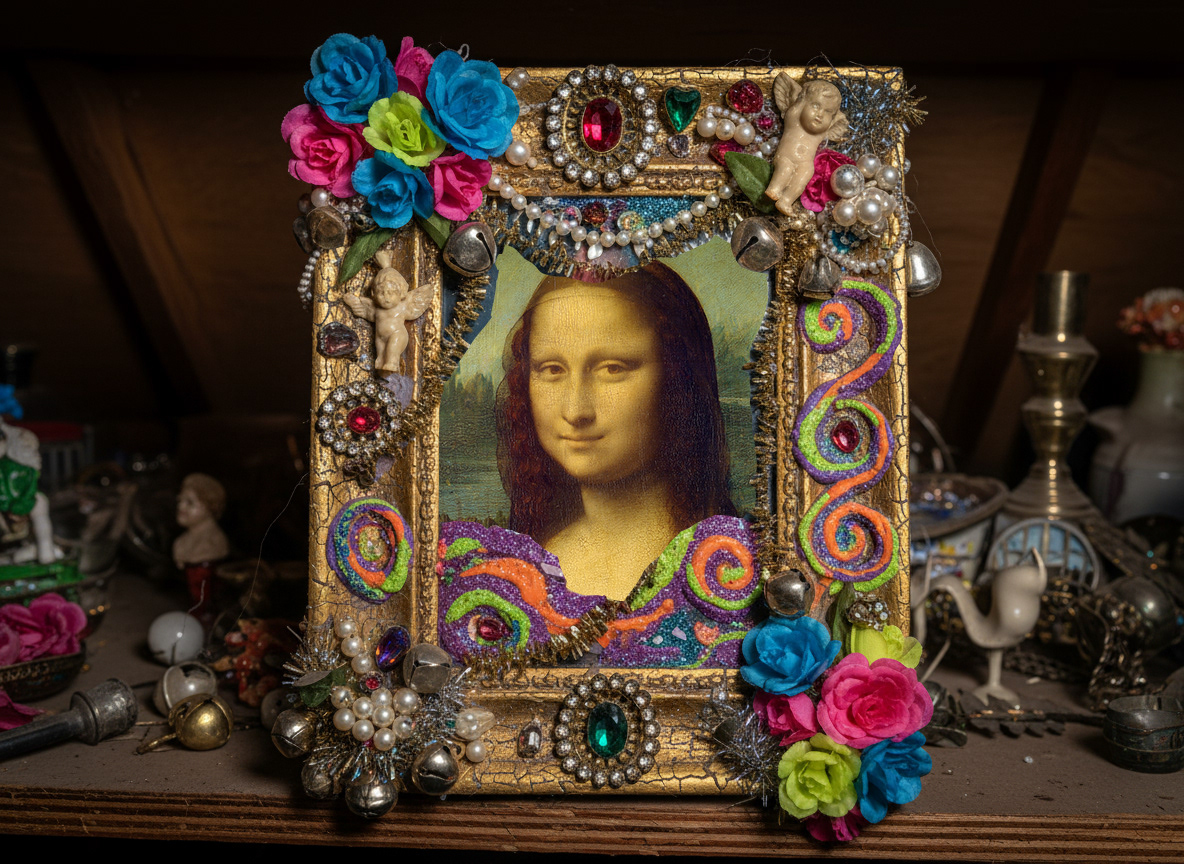
You wouldn’t hang the Mona Lisa in a Dollar Tree frame or build a car that runs forever but looks like a doody-brown Pinto. So why treat your creative work that way?
Having standards doesn’t make you pretentious. It makes you intentional.
On Medium: You Want to Write a Book, but Why?
Every book makes a promise to the reader. Sometimes that promise is bold and obvious. Sometimes it’s subtle, hidden in the rhythm of the first chapter. Either way, readers will hold you to it.
In my latest article, I dig into what the promise to the reader means for nonfiction (memoir, history, instructive) and fiction. Honoring that promise can keep your writing sharp and your readers engaged.
The best books don’t just tell stories or teach lessons. They keep their promises.
The Promise to the Reader: Why Every Book Needs One
Every book makes a promise to the reader. Sometimes that promise is bold and obvious. Sometimes it’s subtle, hidden in the rhythm of the first chapter. Either way, readers will hold you to it.
In my latest article, I dig into what the promise to the reader means for nonfiction (memoir, history, instructive) and fiction. Honoring that promise can keep your writing sharp and your readers engaged.
The best books don’t just tell stories or teach lessons. They keep their promises.

Inside the Book Bible: How to Keep Your Story Straight
Losing track of a character’s eye color halfway through your novel or realizing you’ve used the same term three different ways in a nonfiction draft can derail your manuscript and erode reader trust. A book bible solves that problem.
A book bible is a centralized reference guide that captures the rules, facts, and choices that shape your project. For novelists, it keeps characters, settings, timelines, and worldbuilding consistent. For nonfiction writers, it standardizes terminology, structure, citations, and voice across hundreds of pages.
Whether you’re writing fiction, memoir, or a how-to guide, a book bible acts as your behind-the-scenes script supervisor. It streamlines revisions, prevents continuity errors, and helps you honor the promise you’ve made to your readers.
Digital tools like OneNote, Notion, Scrivener, and Google Drive make it easier than ever to build and maintain a bible tailored to your workflow. The upfront effort pays off with a manuscript that feels seamless to the reader, even though you know how much work went into keeping everything straight.
"Fifteen Publishing Terms Every Author Needs to Know"
Finishing your manuscript is only step one. Once you move into production, you’ll run into a wall of publishing jargon — from “bleed” and “gutter” to “trim size” and “ISBN.” If you don’t know these terms, it’s easy to feel lost in conversations about your own book.
This article breaks down fifteen essential publishing terms, alphabetized for quick reference. You’ll learn why 300 dpi is non-negotiable for images, the difference between recto and verso pages, how serif fonts differ from sans-serif, and why terms like widow, orphan, and runt matter in professional typesetting. Along the way, you’ll also see how industry standards like CMOS (The Chicago Manual of Style) and formats like ePub shape the way books are edited, designed, and distributed.
You don’t need to master the craft of typesetting to publish well, but knowing this vocabulary will help you spot red flags and communicate clearly with your team. It’s about protecting your work from sloppy shortcuts and making sure your book gets the professional treatment it deserves.

On Medium: "How Writers Should Use ChatGPT (and Where the Line Is)"
A lot of people think ChatGPT can spit out a finished book, but that’s not reality. When writers try to patch its output together, the result is usually a confusing mess. The real value of AI tools isn’t in replacing human creativity — it’s in handling background work that eats up time and focus.
I use ChatGPT in ghostwriting to:
Format and structure messy data — from cleaning up endnotes in InDesign to alphabetizing research lists.
Organize research — summarizing SaaS platforms, transcripts, or technical sources so I can see the big picture faster (and then verify details myself).
Boost administrative efficiency — converting time logs, generating reports, or cleaning up invoices into client-ready files.
AI is great for clearing the clutter, but it can’t replace your voice, experience, or storytelling. Treat it like an assistant, not a ghostwriter, and you’ll have more energy to put into the parts only you can write.